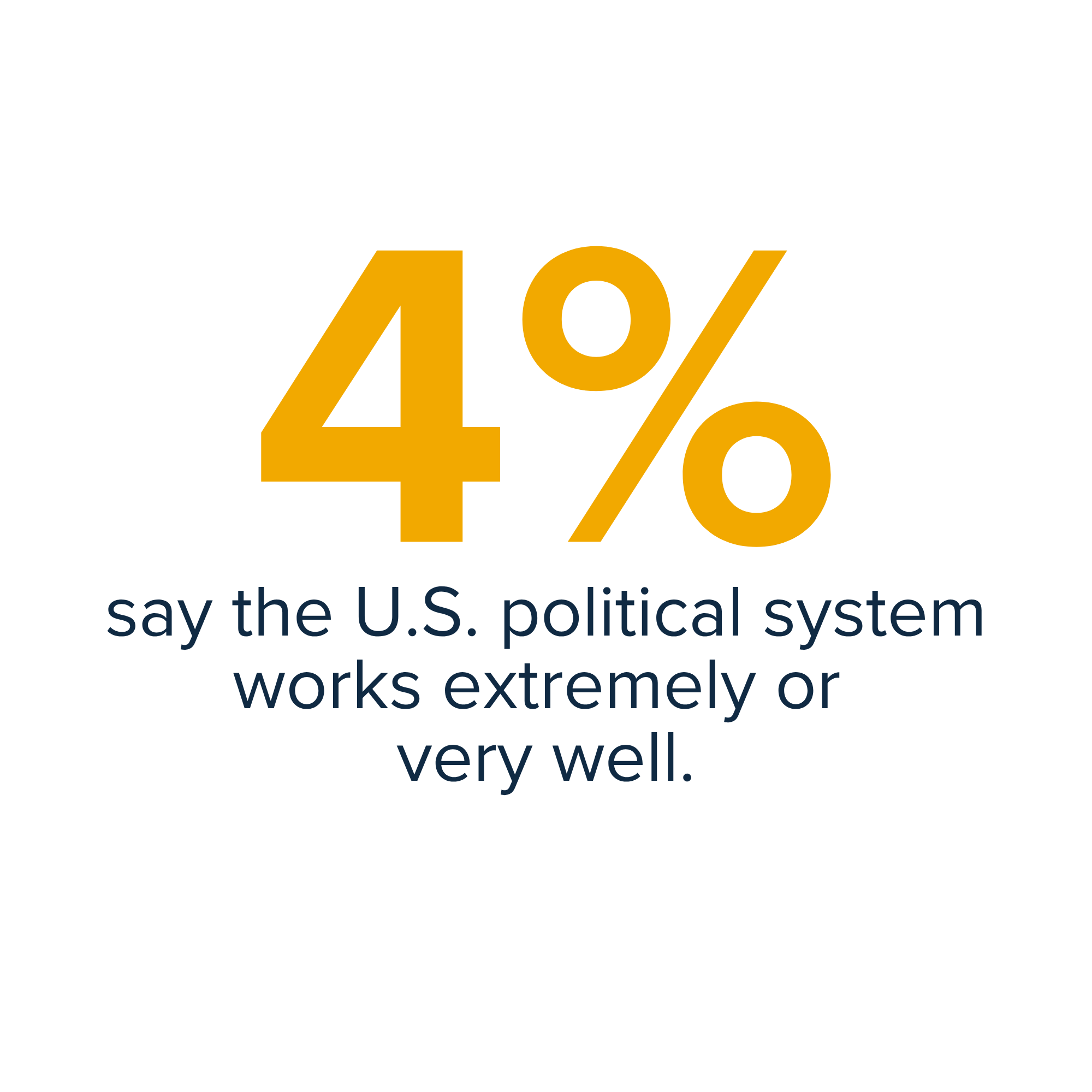
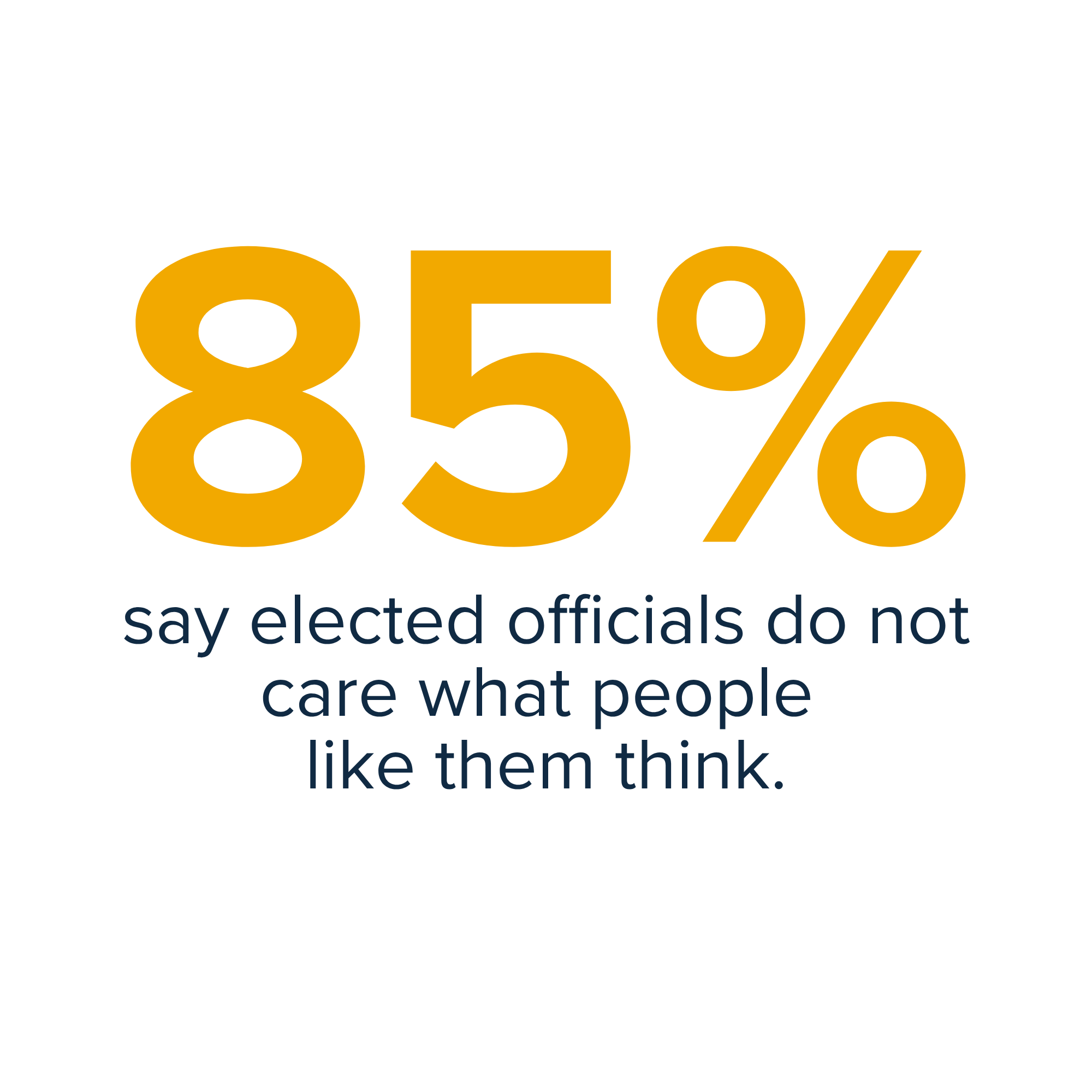
A Fairer, More Representative
Way to Elect Our Leaders.
Top Three expands choice. Head-to-head matchups make elections fairer by treating every voter and candidate equally.
Every voter deserves an equal say in choosing leaders and in shaping who has governing power. Election rules that silence some voters weaken legitimacy and deepen mistrust.
Benefits:
All-voter primary. Every voter gets a say in which candidates advance and voters get more choices on the general election ballot.
Every marked preference counts. Each head-to-head choice a voter marks is counted in that matchup. If you prefer A over B, that preference counts in A vs. B, and so on for each matchup. Your views do not disappear because of an elimination round.
Voters can express their preferences honestly. Voting your true preferences cannot help a candidate you prefer less defeat a candidate you prefer more.
Works like a round-robin tournament. Each finalist is compared head-to-head against every other finalist, and each matchup is worth the same.
Reduces general-election vote-splitting and spoiler risk. A party or viewpoint with two finalists is not disadvantaged or advantaged simply because it has two candidates instead of one.
Encourages candidates to appeal to and respect more voters. Even if a voter will not support a candidate in one matchup, that voter may still support them in another.
Creates better campaign incentives. Candidates have a reason to reach beyond a narrow base and build broader support.
Produces clear, verifiable results.No elimination rounds. Clearer reporting. Each matchup can be counted and reported directly, without a sequential elimination process.
HOW TOP 3 WORKS
Step 1: Candidates from all parties compete in an open qualifying race.
All voters, unaffiliated or party-affiliated, are eligible to vote in a primary election that includes all the candidates. Voters choose one candidate. The top three vote-getters advance to the general election. The general election could feature more than one candidate from each of the major parties.
Step 2: Voters choose who they prefer in each matchup.
In the general election, voters express a preference in each of the head-to-head matchup of candidates.
Step 3: Votes are tallied and candidates are compared head-to-head.
Once all ballots have been cast, candidates are compared in head-to-head matchups, in a manner similar to a round-robin sports tournament. Head-to-head matchups ask:
If it were just Ann vs. Bob, who would win?
If it were just Carol vs. David, who would win?
And so on for every candidate pair.
The voter’s rankings are used to determine the winner of each head-to-head matchup. For example, if a voter ranks Ann above Bob, then the voter's ballot counts for Ann in her head-to-head matchup with Bob. If a majority of voters rank Ann over Bob, then Ann wins that matchup.
Step 4: The candidate who defeats every other candidate wins the election.
The winning candidate is the candidate who defeats every other candidate head-to-head. This ensures that election winner is the candidate who best and most fairly reflects the voters’ choices.
For example, if Carla wins her matchups against Ana and Bob, then Carla is the winner. No matter who she is compared against, a majority of voters prefer her—making her the Consensus Choice.
In the extremely rare case that every candidate loses to another candidate, the winner is the candidate with the smallest loss.
Try It
Experience real election data and dive deeper.